When embarking on a skiing adventure, avoid borrowing equipment and instead, rent from an experienced ski shop to make sure your boots and bindings are fitted and adjusted properly. It goes without saying that you will need both skis and boots for your alpine adventure but one of the most important pieces of equipment we would recommend is a helmet. With head injuries making up 20% of skiing injuries and skiers reaching speeds of up to 50mph, wearing protective headgear is always a sensible precaution.
Those looking to snowboard rather than ski should also consider wearing ski gloves with built-in wrist guards. With broken wrists and sprains a common injury amongst boarders, these gloves will give you extra protection should you fall over.
Finally, while sunburn might usually be associated with tropical destinations, watch out for the sun on the slopes. With the snow on the ground creating a reflective canvas, skiers can often fall victim to the sun, so remember to protect your eyes with ski goggles and apply suncream to avoid the dreaded goggle mark look for après-ski.
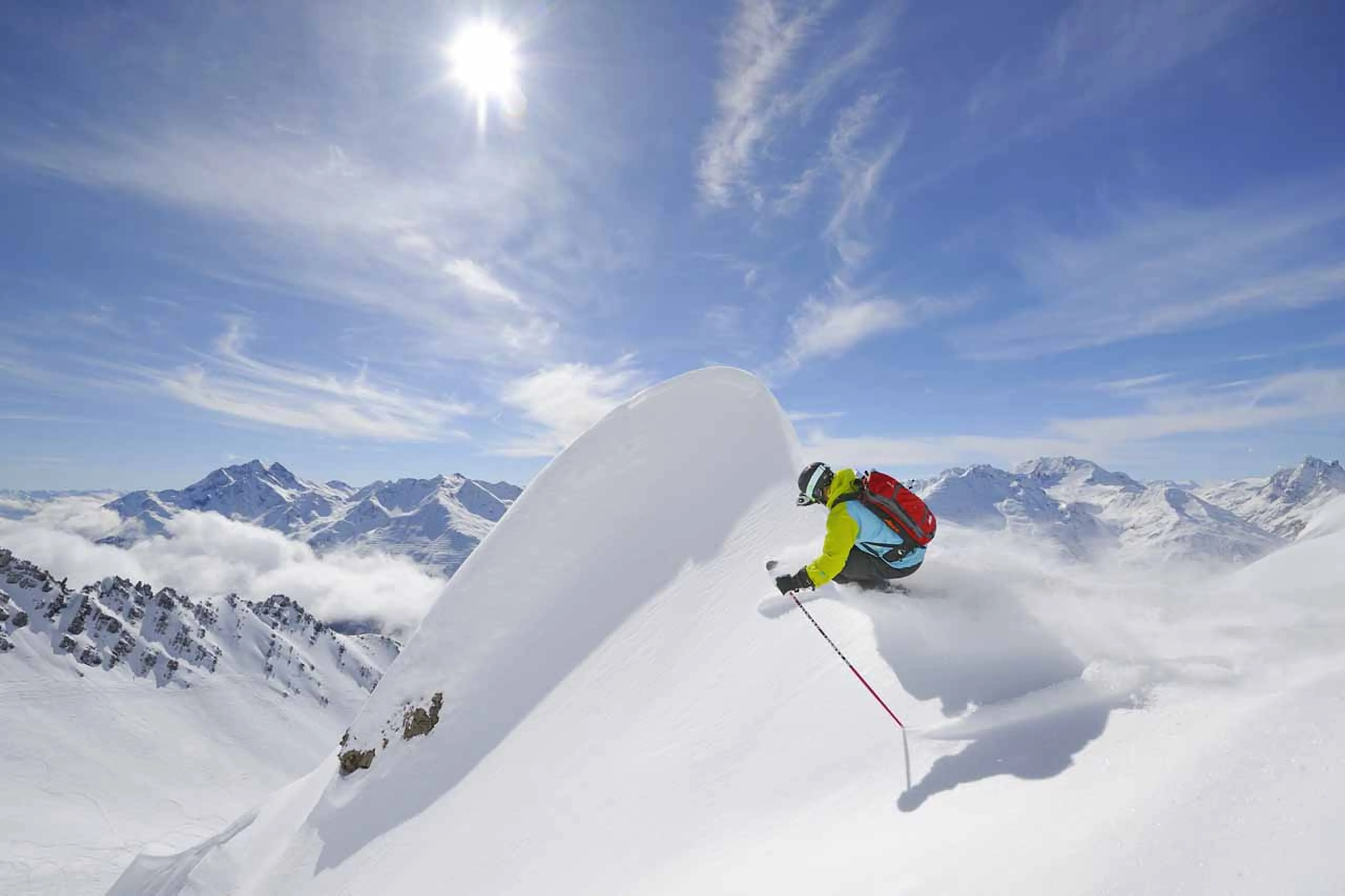
Top Tips for Skiing Safely
Discover our top tips for staying safe when skiing in the Alps.

Whether you are a first-time skier or a seasoned pro, we have put together a list of top tips for staying safe in the Alps so you can enjoy your well-earned break in the mountains safely.
1. Ensure you Have the Correct Equipment
2. Ski Safely Off-Piste
Top Tips for Skiing Off-PisteBefore venturing off-piste, make sure you have checked the avalanche forecast. Should the warning be high, save the backcountry adventures for another day and discover the alternative winter activities your resort has to offer.
If you are looking to ski off-piste, speak to locals to learn about the hidden off-piste gems of your resort, as well as areas to avoid when skiing off-piste. Always be prepared for the worst-case scenario and carry safety equipment with you such as a shovel, transmitter and probe. Never ski alone off-piste and if possible tell people where you are planning to ski.
3. Be Prepared
Once your chalet is booked, don’t forget to get travel insurance and disclose that you will be skiing. While no one likes to think they will have an accident, it is always best to be prepared.
When you have arrived in your resort, the weather on the mountains can be unpredictable and change rapidly, so check the forecast throughout the day to organise activities accordingly and remember to wear waterproof ski wear with plenty of layers to stay both warm and dry.
4. Take Breaks
Restaurant GuidesSkiing is a great form of exercise that works many muscles in your body, you will be exerting a lot of energy on the slopes, so make sure you take regular breaks to refuel and stay hydrated throughout the day. With plenty of mountain restaurants on hand, this is also the perfect opportunity to indulge in some local cuisine.
5. Know Your Level
Guide to Ski LessonsKnow your limits and never feel pressured to ski out of your comfort zone. If you are looking to push yourself in a safe environment, private skiing lessons are a great way to improve quickly with the help of an experienced ski guide, while group ski lessons are also a fun way to improve your skiing skills with like-minded people of a similar level.
6. Follow Piste Rules
To keep the mountains as safe as possible, the International Ski Federation has listed several rules for skiers and snowboarders to follow.
When on the slopes, always be considerate of other skiers around you and if possible, do not stop in the middle of the slope. Make sure you take note of the warning signs on the pistes and adapt your speed based on the conditions.
If you would like to discover the best runs and local spots of your resort, why not book a local ski guide for the day. With years of experience and local knowledge to hand, they will know both the pistes and off-piste of the resort like the back of their hand.
Explore the slopes safely from a luxury ski chalet.
Related Posts
Read all
How to Train for Skiing with the Best Pre-Season Workouts
Prepare for your next ski holiday with this expert-led fitness guide by former ski instructor Oliver Corkhill, featuring the best ski workouts for strength, balance, and endurance.
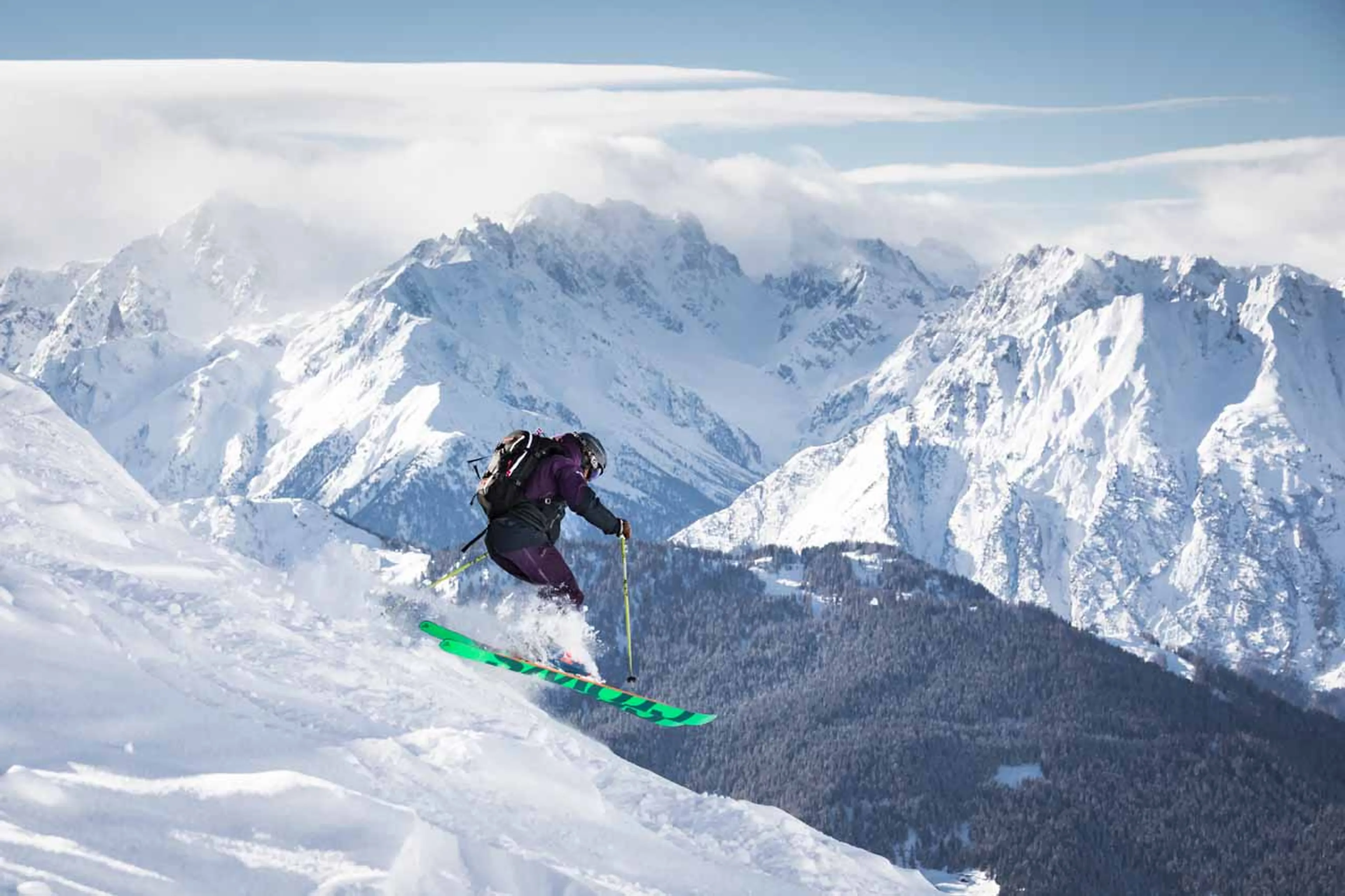
Introduction to Skiing Off-Piste
Element Ski School in Verbier are renowned for their private off-piste lessons, with a team of experienced off-piste coaches who know the resort inside-out. They have therefore provided us with a few important tips to help maximise your experience in the backcountry, ensuring you have one of the best days on the mountain.
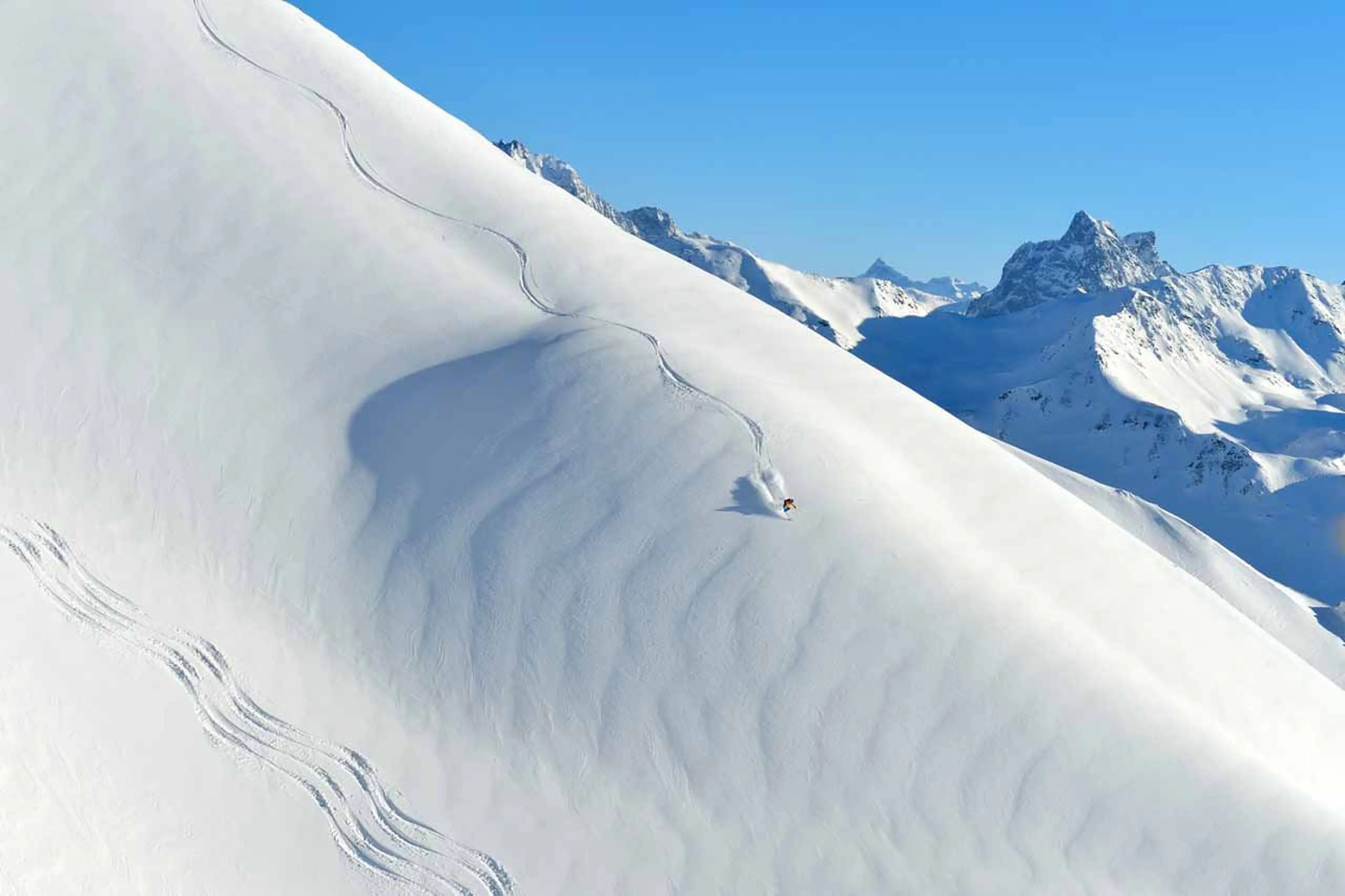
Top Tips for Skiing Off Piste
Off-piste skiing, also known as backcountry skiing or freeriding refers to skiing in areas that have not been piste bashed or groomed. Off-piste skiing often takes place in unsupervised locations outside the ski resort boundaries, with no signs to show you in which direction you must descend. When skiing off-piste, careful planning is needed in order to follow a safe and suitable route, avoiding cliff edges and crevasses, as well as facing deep snow, steep slopes and narrow chutes.
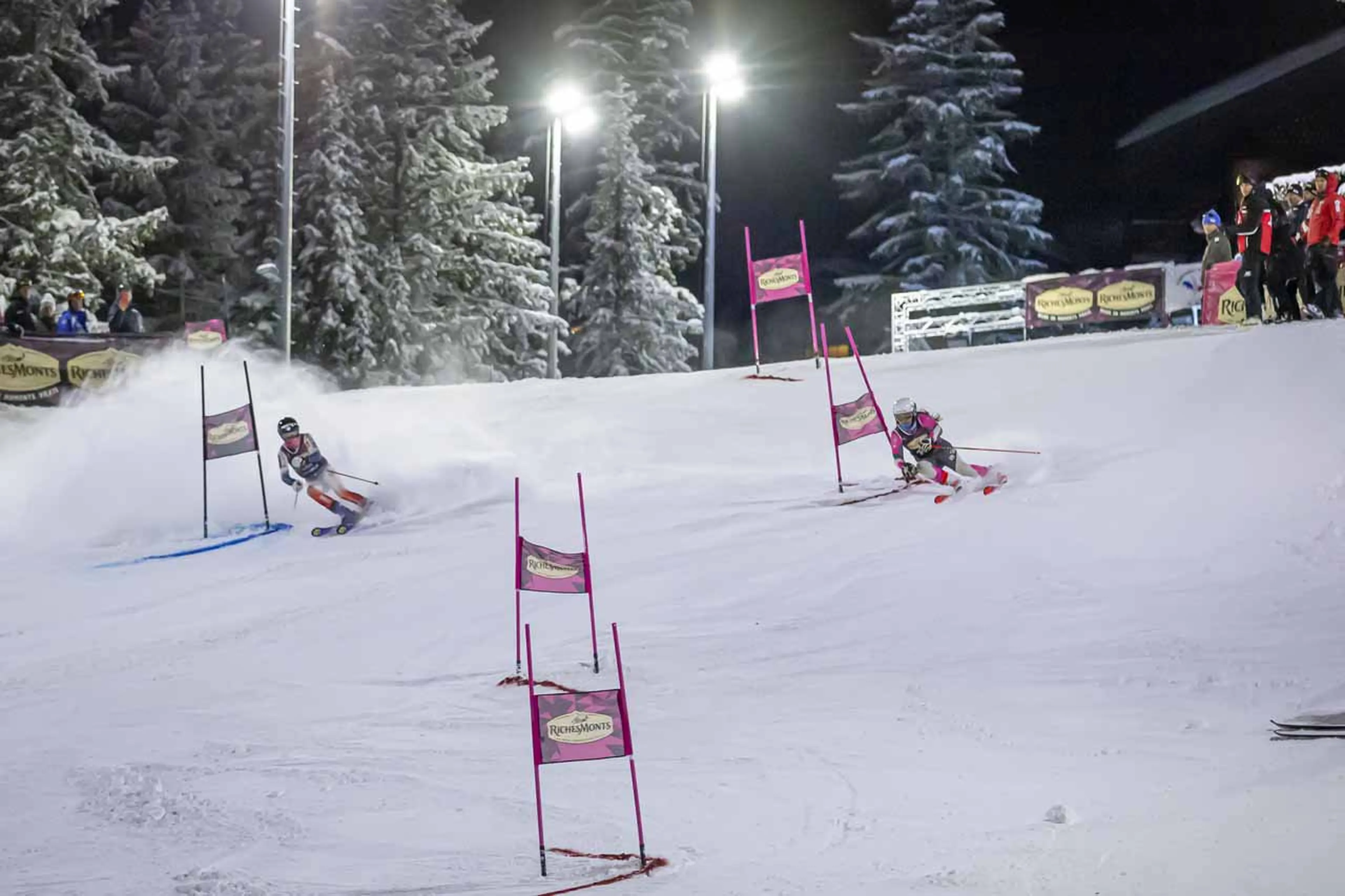
A Guide to Night Skiing
Discover the mountains in a new light through night-time skiing! Extremely popular across many resorts around the world, this winter activity gives skiing a whole new dimension with skiers able to extend their session into the late hours of the evening. From night skiing parties in Courchevel to fondue and head torch descents in Villars, make the most of your skiing holiday and enjoy the adventure of riding under the stars with views of twinkling village lights below.