Bringing your dog to the Alps is entirely possible, but you do need to consider the practicalities. Travel rules need to be checked well ahead of departure, while choosing a pet-friendly chalet is also important. From paperwork and paw care to pet-sitting while you ski, these are the details worth considering.
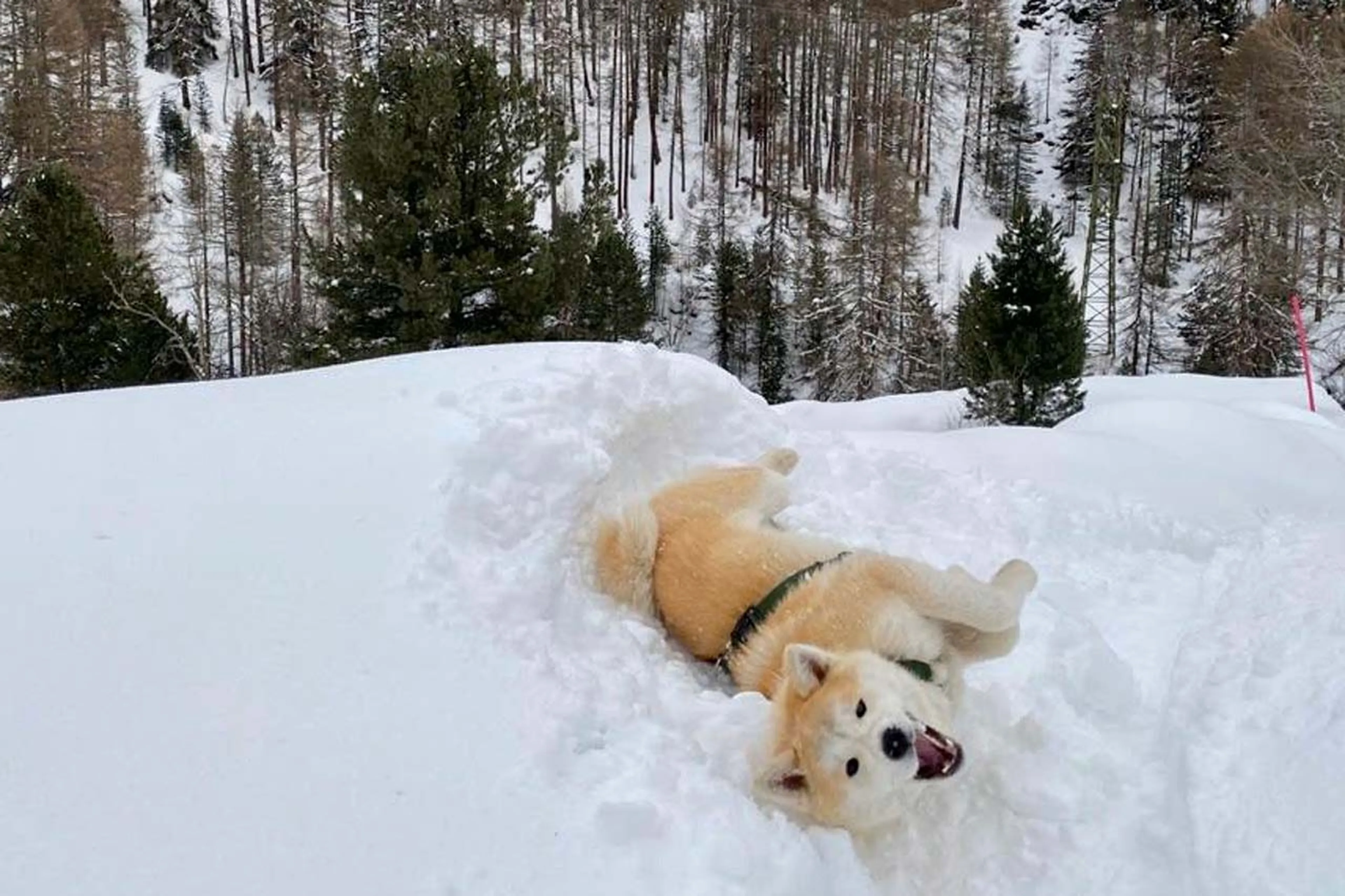
Top Tips for Taking your Dog on a Ski Holiday
Discover our top tips for travelling to the Alps with your dog

Planning to take your dog skiing? From travel documents and protecting paws to choosing the right chalet, here is what to consider before a holiday in the Alps.
Check the Property's Pet Policy Before Booking
A property described as pet-friendly may still have rules covering the number, breed or weight of dogs accepted. There may also be an additional cleaning charge or restrictions on where pets are allowed inside.
Tell us that you plan to travel with a dog at the start of your enquiry, including its breed and approximate weight. We can then confirm the current policy with the property owner or operator before you book.
Arrange Travel Documents Early
The documents required depend on where you live, where you are travelling and the countries you pass through. Check the official rules for your destination and return journey rather than relying on advice from a previous trip.
For residents of Great Britain travelling to an EU country, dogs must be microchipped and vaccinated against rabies. At least 21 full days must pass after a first rabies vaccination before travel. Since 22 April 2026, Great Britain residents need an Animal Health Certificate for each trip to the EU rather than an EU pet passport. The certificate must be issued no more than ten days before entering the EU.
Dogs returning to Great Britain usually require tapeworm treatment administered and recorded by a vet between 24 hours and five days before arrival. There are limited exemptions, so check the latest UK Government pet-travel guidance before every journey. Switzerland and Andorra are not EU members and may have their own entry requirements.
Plan the Journey Around Your Dog
If travelling by car, allow more time for regular water, toilet and exercise stops. Bring a secure crate or suitable restraint, along with the dog’s usual food, medication and bedding. A familiar blanket can make a new chalet easier to settle into.
Not every airline, ferry or train accepts pets, and approved routes and booking conditions vary. Confirm the arrangements with the transport operator before committing to accommodation, particularly if your dog cannot travel in the cabin.
Choose a Practical Chalet and Location
Whilst a property may be pet-friendly, it isn't necessarily practical for every dog. A private entrance avoids repeated journeys through a hotel lobby, while direct access to a terrace or garden makes early-morning and late-evening trips outside simpler. Never assume that an outdoor area is enclosed; ask us to check if a secure garden is essential.
Location matters too. A chalet within walking distance of the village may reduce the need for short car journeys, while a property away from the busiest snowfront can suit dogs that find crowds unsettling. Ask about winter walking routes nearby, as paths that are accessible in summer may be covered by pistes or deep snow during ski season.
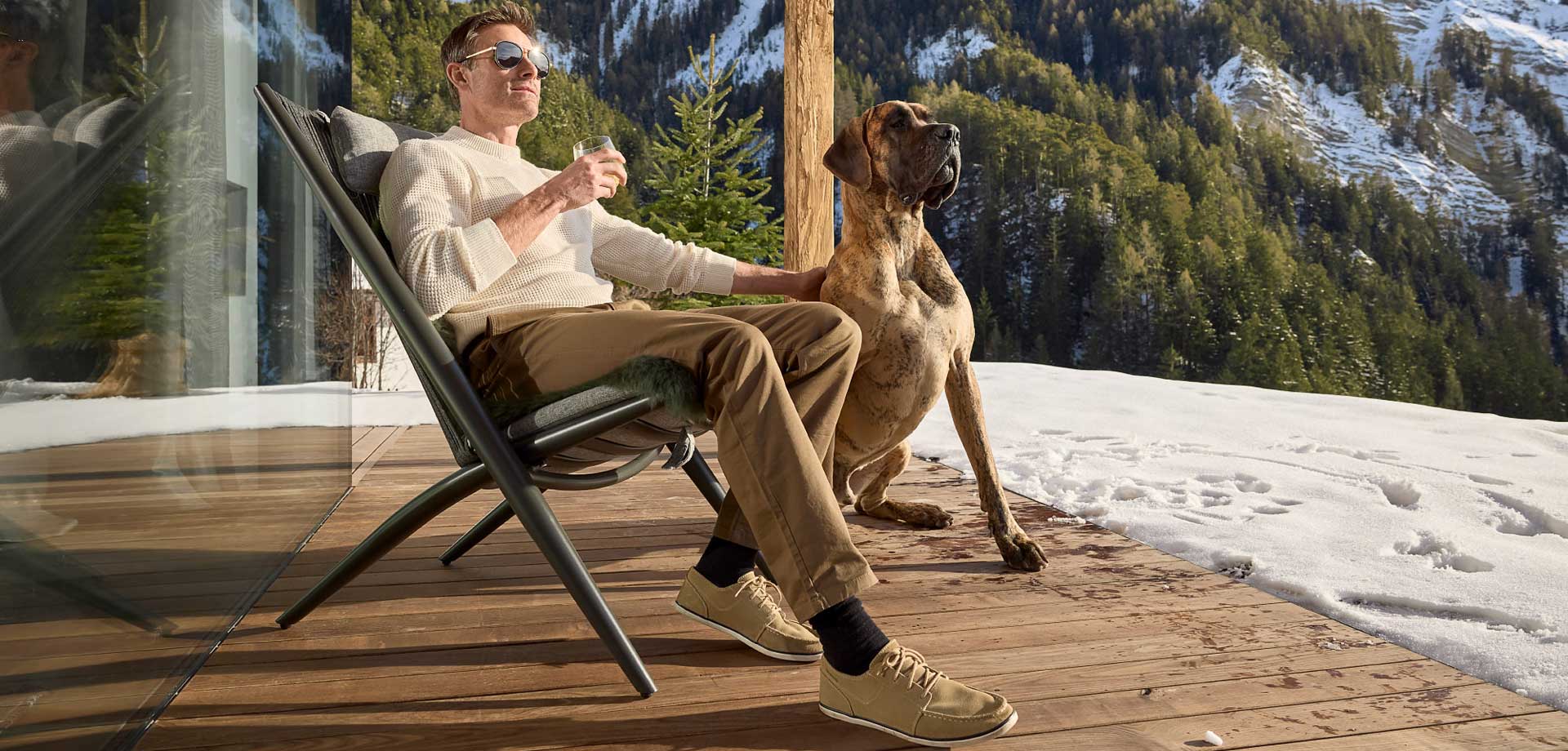
Protect Paws from Snow, Ice and Salt
Snow can compact between a dog’s toes, while grit and road salt may irritate pads. Check paws after walks, remove any balls of ice and rinse and dry them when you return to the chalet. Paw balm or properly fitted boots can help, particularly for dogs with sensitive pads.
Dogs with short coats or little undercoat may also need an insulated, water-resistant coat. Even cold-weather breeds should not be left outside for long periods, especially after becoming wet.
Check the Rules Around Pistes and Lifts
Dogs should be kept under close control around pistes, lift stations and busy village streets. Skiers may approach quickly and machinery can operate outside normal lift hours, so a lead is usually the safest option near the ski area.
Some gondolas accept dogs, but policies differ by resort and individual lift. Muzzles may be required in certain places. Check before setting out rather than assuming that a dog can accompany you onto the mountain.
Arrange Care During Ski Days
Most dogs should not be left alone for an entire ski day in an unfamiliar property. If nobody in the group will be returning regularly, arrange a local dog walker or sitter in advance. Availability can be limited during Christmas, New Year and February half term.
It is also sensible to note the details of the nearest veterinary practice and save the number on your phone before arrival.
Check Restaurants in Advance
Many Alpine restaurants welcome well-behaved dogs, but this is not universal and policies can change between lunch and dinner service. Call ahead when booking and mention the size of your dog, particularly if travelling with a larger breed. The same applies to hotel bars, private clubs and mountain restaurants reached by lift.
Planning a Ski Holiday with Your Dog
The best accommodation for your trip depends as much on the dog as your group. A small dog accustomed to hotels may be comfortable in a serviced residence, while a larger or more active breed may benefit from a standalone chalet with a garden and winter walking routes nearby.
Let us know your dog’s breed, size and usual routine when you enquire. We can confirm the latest pet policy, any additional fee and the practical details of the property before recommending the most suitable options.