Revelstoke vs Whistler
Compare Revelstoke and Whistler to discover which Canadian ski resort best suits your style of ski holiday.
Discover our guide to skiing in Whistler Blackcomb.

Planning a ski holiday to Whistler? This guide looks at what to expect from Whistler Blackcomb, including the differences between Whistler and Blackcomb mountains, the best areas for each ski level, where to stay, and how to choose the right base for your group.
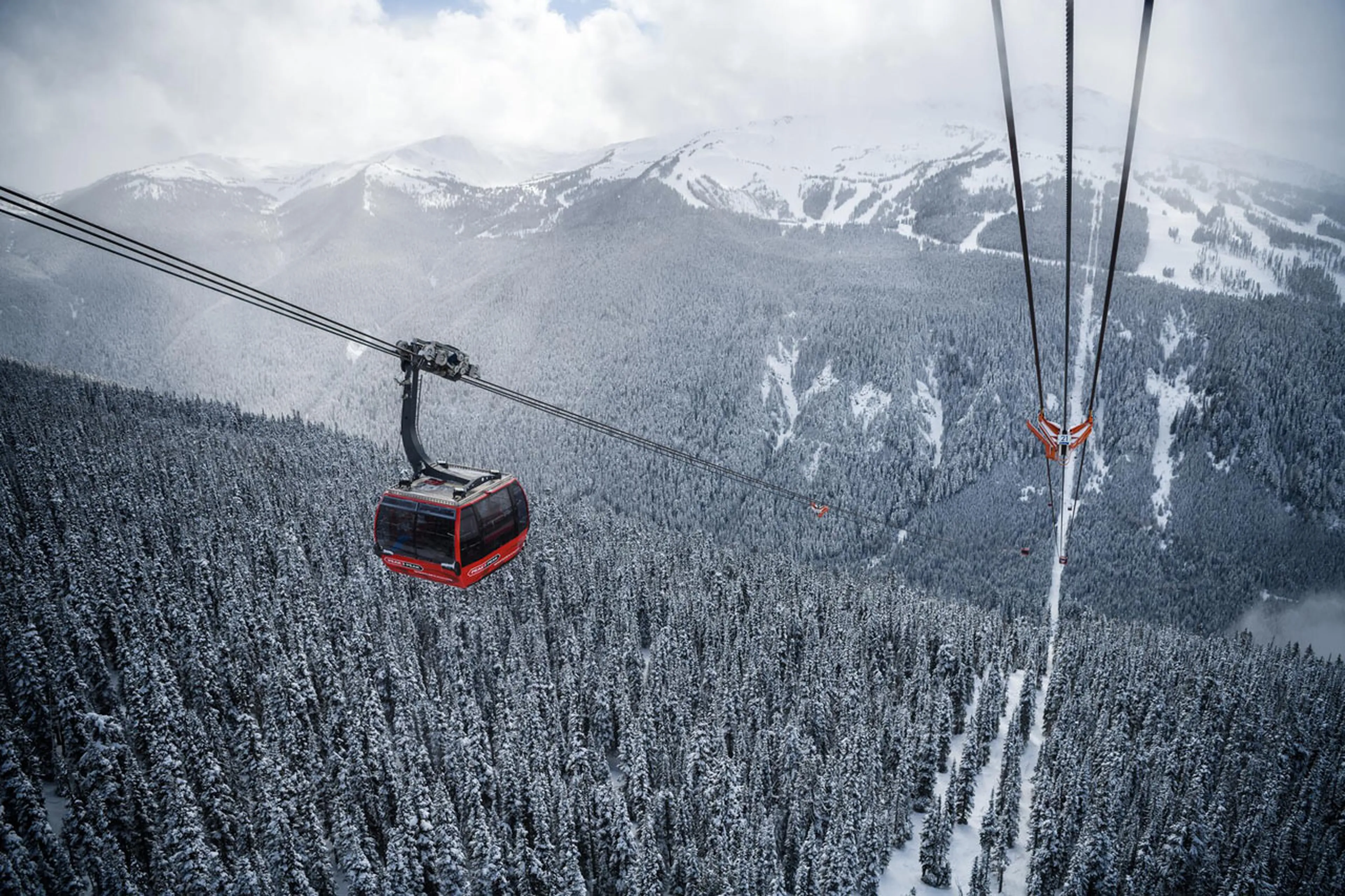
Whistler Blackcomb is Canada’s best-known ski resort and one of the largest ski areas in North America. Set in British Columbia’s Coast Mountains, around 135km from Vancouver, it is a very different experience from skiing in the Alps.
For skiers used to resorts such as Megeve, St Moritz or Zermatt, Whistler will feel less traditional. It doesn't have the same old village history or Alpine architecture, and I would not describe it as charming in the European sense. What it does offer is scale, convenience and an enormous amount of variety. The ski area covers 8,171 acres across Whistler and Blackcomb mountains, with more than 200 marked runs, 16 alpine bowls, three glaciers and a lift system linking a huge amount of terrain.
Whistler is a particularly good choice for mixed groups. Confident skiers have plenty to explore, intermediates will not run out of terrain, families are well supported, and non-skiers have far more to do than in many ski resorts. There is also a varied restaurant scene, proper après-ski and a good choice of private homes, from central penthouses to secluded estates.
Discover more ski resorts in Canada
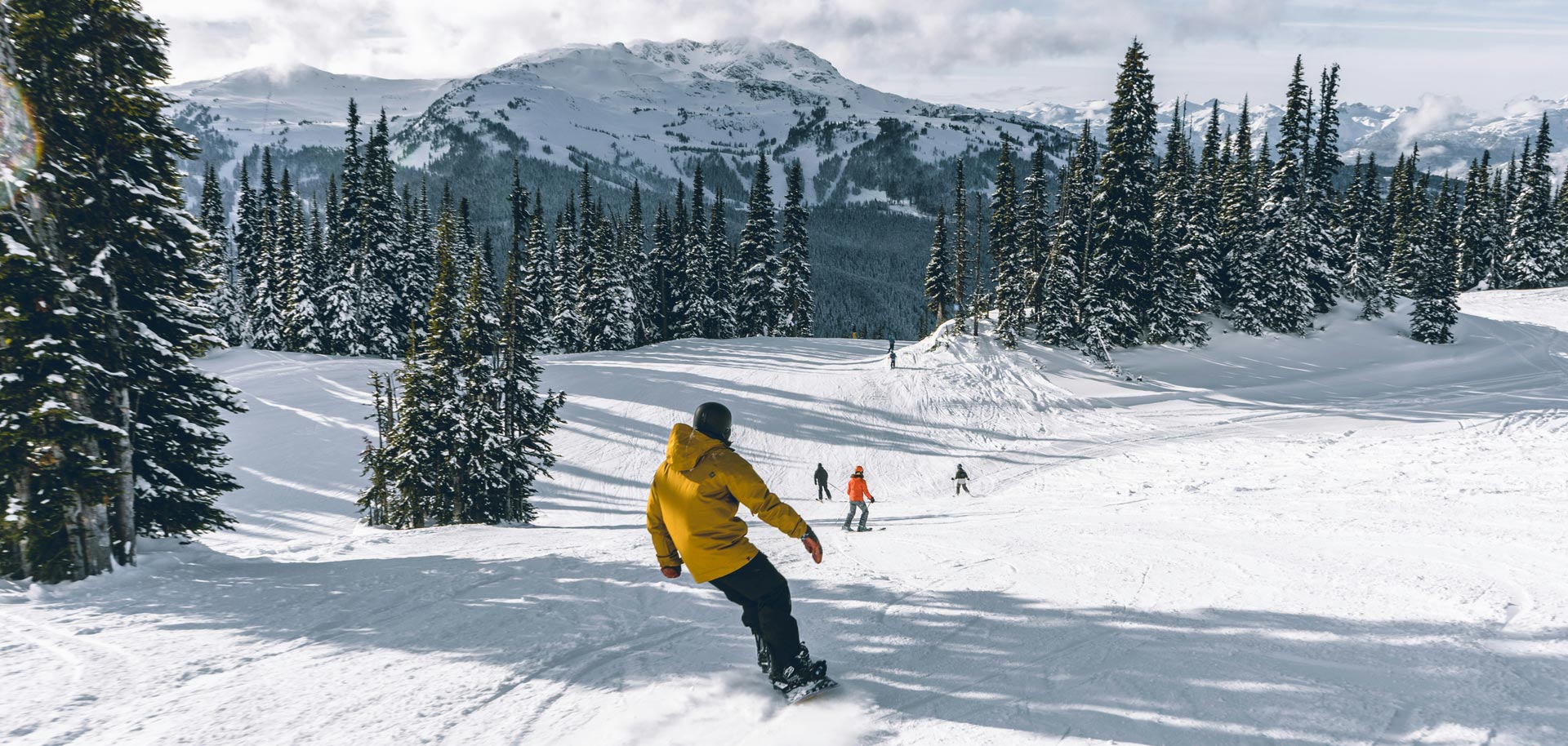
Whistler Blackcomb is divided across two linked mountains: Whistler and Blackcomb. They are connected at altitude by the PEAK 2 PEAK Gondola, which makes it easy to ski both mountains in the same day.
The resort sits at a lower altitude than many European ski resorts, with Whistler Village at around 675m and the highest lift-served point at just over 2,280m. This lower base gives Whistler a different weather pattern from the Alps. The resort gets a lot of snow, but its coastal location means conditions can change quickly. You can have deep powder, cloud, heavier snow and rain lower down, sometimes all in the same week.
That is not a reason to avoid Whistler. It is simply something to understand before booking. On the right week, the skiing can be fantastic. On mixed-weather days, local knowledge makes a real difference, so I recommend taking a guide. They can also help you skip the queues at the lifts!
The PEAK 2 PEAK Gondola is one of Whistler’s most recognisable experiences. It connects Whistler and Blackcomb mountains at altitude and makes the ski area feel much more joined up.
For skiers, it gives flexibility. If one mountain is busier, windier or has better visibility, you can move across without returning to the village. For non-skiers, it is one of the easiest ways to experience the mountains without putting on skis.
On a clear day, it is worth doing even if you are not using it as part of a ski route.
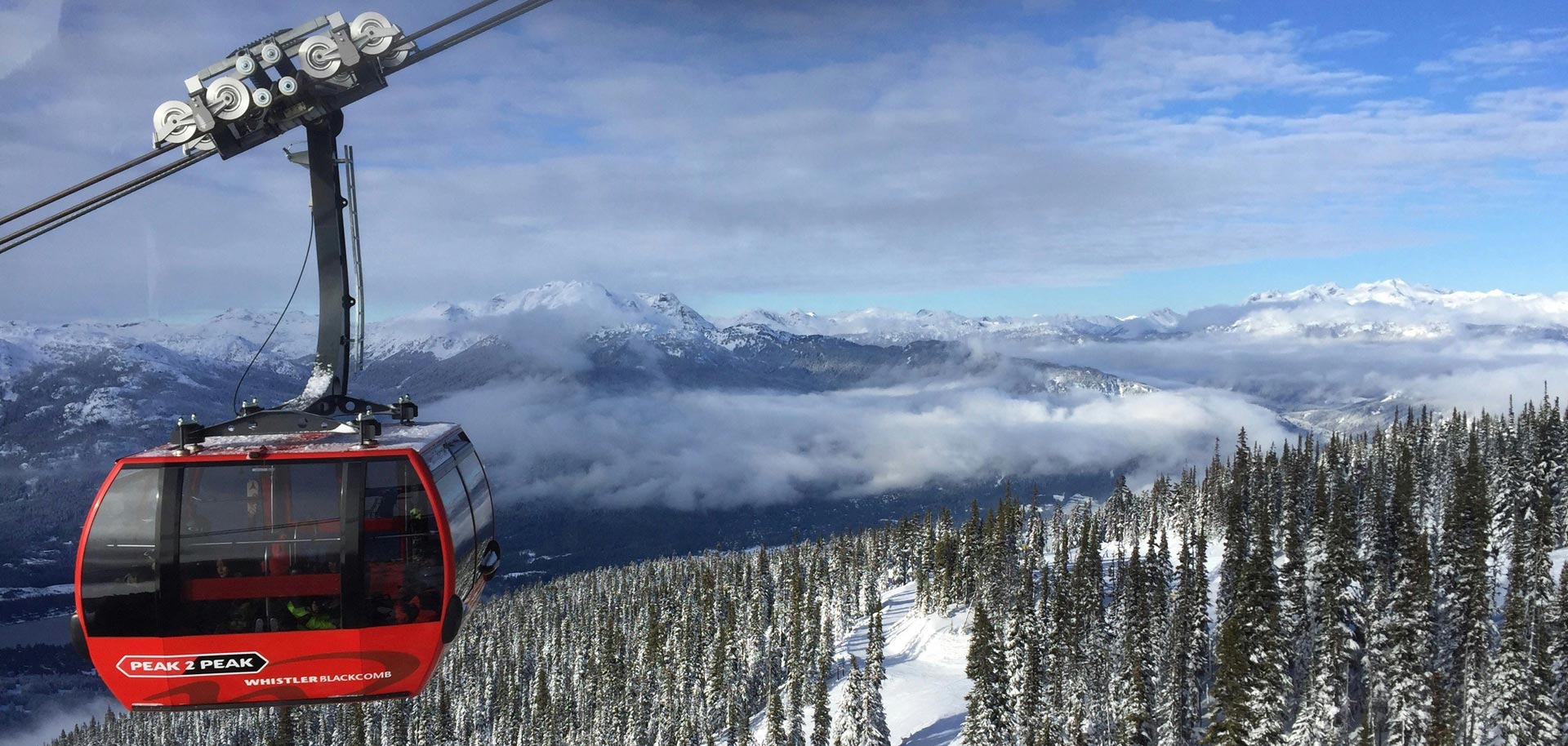
Whistler Mountain is usually the easier side to get to grips with on a first visit. It works well for intermediates, families and mixed-ability groups because the terrain is varied without feeling too intimidating too quickly.
The Emerald area is a good place to build confidence, with tree-lined runs that are useful on lower-visibility days. Harmony and Symphony are two of Whistler’s most enjoyable areas for intermediates, with wide terrain, good views and enough variation to keep the skiing interesting. Symphony feels slightly more removed, so it is worth keeping an eye on the time in the afternoon so that you don't miss the chairlift back up.
Peak to Creek is one of Whistler’s signature descents, running from high on Whistler Mountain down to Creekside. It is long, satisfying and worth skiing in good conditions, although tired legs will feel it by the bottom.
For better skiers, the Peak Chair opens up steeper terrain, including Whistler Bowl and West Bowl. This is where Whistler Mountain becomes more demanding, particularly after fresh snow or in poor visibility.
Blackcomb often appeals more to advanced skiers. It has steep terrain, glacier access, open alpine areas and tree skiing that can hold good snow after the obvious routes have been skied.
Seventh Heaven is one of the most enjoyable areas on Blackcomb for confident intermediates, with open views and long cruising terrain. Jersey Cream and Crystal are useful areas for lapping, particularly when conditions are good lower down. Crystal is also a useful place to head when visibility is poor due to the tree-lined terrain.
Blackcomb Glacier is one of the mountain’s key areas for advanced intermediates and above. It usually involves a short hike and a long ski out, so it is not something to do at the end of the day unless you know exactly where you are going.
Spanky’s Ladder is for expert skiers only. It gives access to steep bowls and more serious off-piste-style terrain. For guests who want to explore this side of Whistler, I would recommend taking a guide.
-> Compare Revelstoke vs Whistler for advanced skiers.
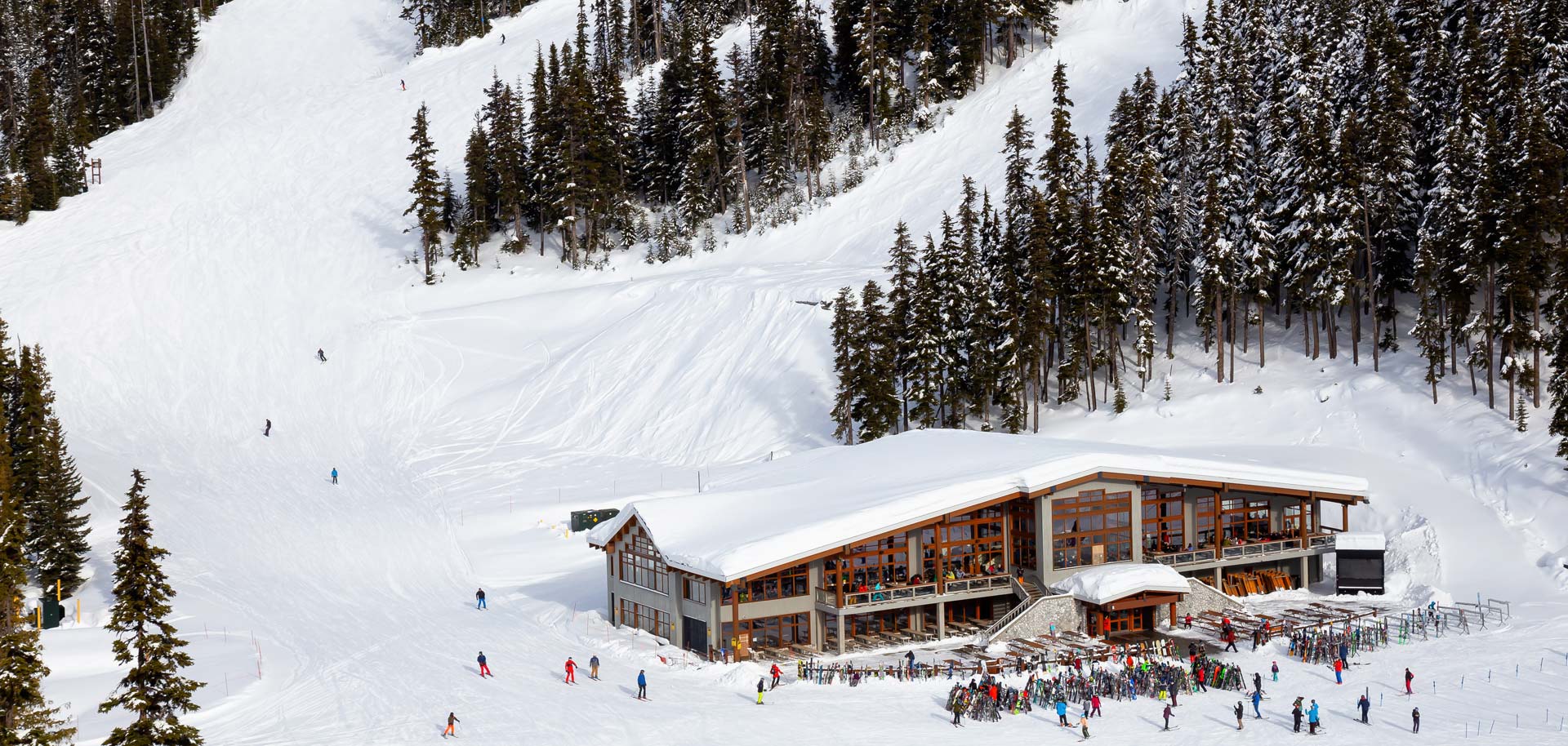
Whistler works well for families, but choosing the right base is important. Whistler Village is the easiest option for first-time visitors because restaurants, shops, ski school and lifts are close together. Upper Village is a little quieter and works well for families planning to ski Blackcomb. Creekside is better for families staying in private chalets who value space and serenity.
The beginner areas are well organised, with learning zones on both mountains. Children and adults can progress beyond the base quite quickly, which makes the experience more interesting than resorts where beginners are confined to one small lower area.
For family ski holidays in Whistler, I would recommend arranging ski school, ski hire and restaurant bookings well in advance, especially for Christmas, New Year, February school holidays and major North American weekends.
For children, the resort also has good non-ski options. The Tree Fort on Whistler and Magic Castle on Blackcomb are useful mountain stops for younger skiers, while tubing, ice skating, and ziplining provide plenty of additional amusements.
Whistler is a serious resort for advanced skiers and snowboarders. The alpine bowls, tree skiing, glacier terrain and steeper Blackcomb areas give plenty of scope beyond groomed runs.
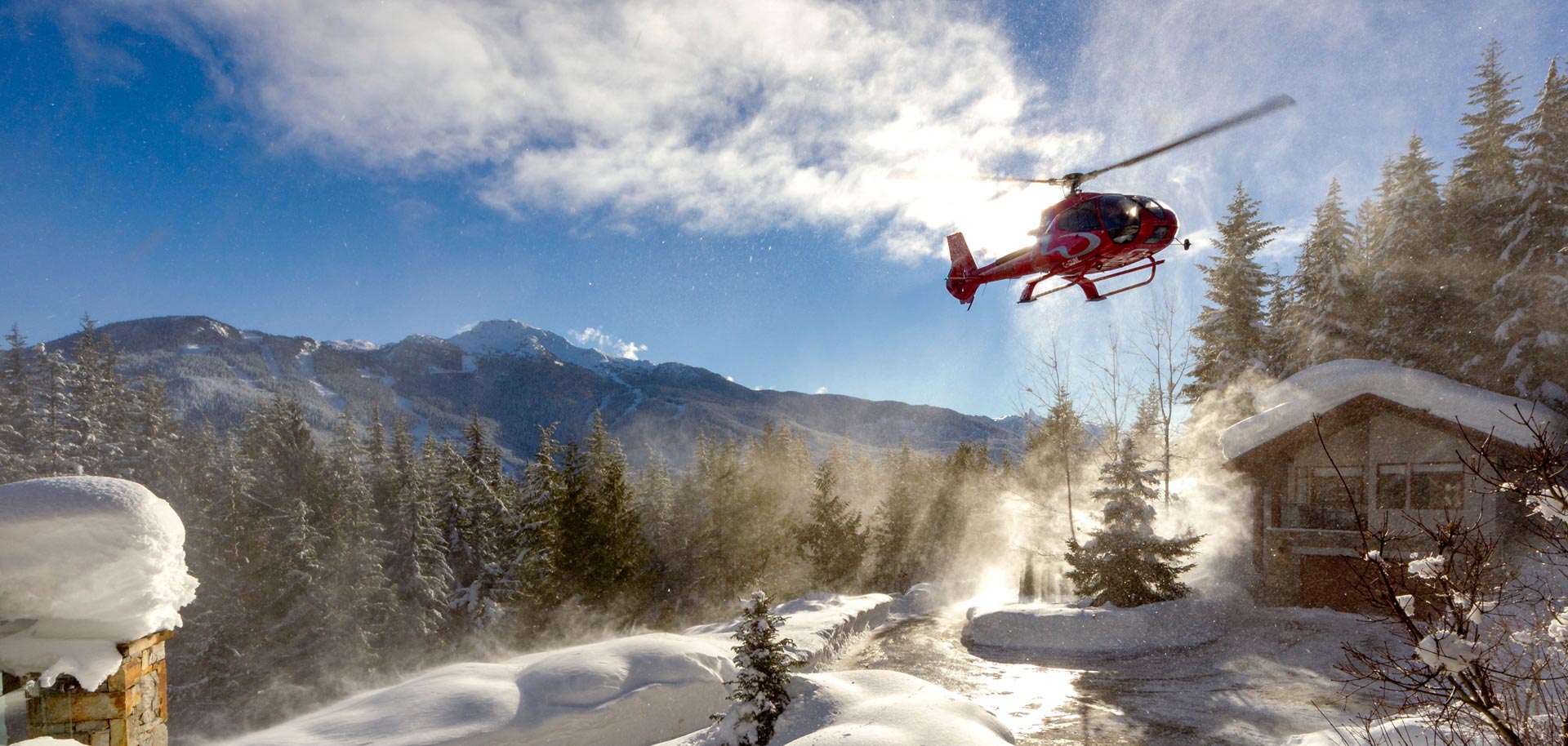
For confident skiers, heli-skiing is one of the main reasons to consider Whistler over some other North American resorts. Operators access remote Coast Mountain terrain, including bowls, glaciers and descents only reachable by helicopter. We have several luxury heli-skiing lodges and experiences in Whistler, and further afield, that can be tailored to different levels.
It is important to be realistic, though. Heli-skiing is weather-dependent, so I would always treat it as a possible highlight rather than the only reason for travelling. For those who want a unique experience without committing to heli-skiing, heli-picnics, ice-caving experiences and scenic flights can also be arranged.
Discover more about British Columbia's Coast Mountains on a heli-skiing holiday at Bella Coola
Whistler rewards a little planning. On poor-visibility days, stay lower and ski in the trees. Emerald on Whistler and Crystal on Blackcomb are useful areas when the alpine is cloudy. If it is raining in the Village, it may still be snowing higher up, so do not judge the whole day from the chalet window.
On powder days, alpine lifts may open later while patrol teams complete safety work. Rather than waiting at one lift, it is often better to ski lower tree-lined terrain first and move higher once more terrain opens.
During peak periods, lunch and dinner reservations are important. The resort is large, but popular restaurants, ski school slots and private instructors do book up.
Whistler Village is the most convenient base. It gives direct access to Whistler Mountain via the Whistler Village Gondola and to Blackcomb via the Excalibur Gondola. It is also where you will find the widest choice of restaurants, bars, shops and après-ski. This is a good choice for first-time visitors who want everything close by. The trade-off is that it is also the busiest part of the resort.
Upper Village sits at the base of Blackcomb, around a 10-minute walk or short shuttle from the main village. It has its own restaurants, shops, ski rental, children’s centre and lift access. It is home to the Fairmont and Four Seasons hotels, and is a good option for families and guests who want a slightly calmer base while still being close to the centre.
Creekside is the original Whistler base, around 4.2km south of the main Village. It is quieter and more residential. Creekside has its own gondola, restaurants, shops and grocery store, so guests are not completely removed from resort life. The main point to consider is transport. Unless guests are very comfortable relying on local taxis or resort transport, I would usually recommend a driver service here in winter.
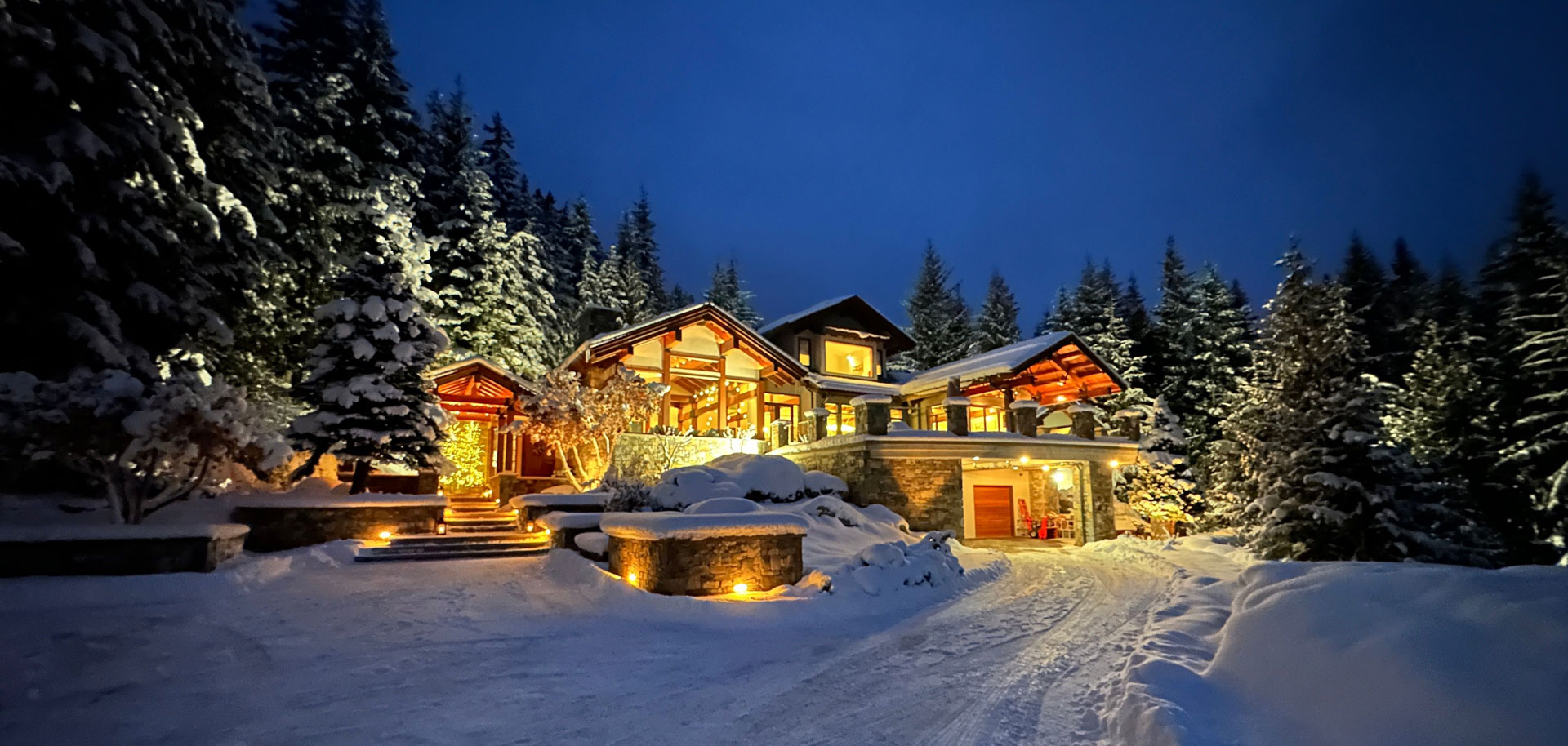
Many of the private homes and apartments are located outside these main bases in smaller residential pockets. For example, Kadenwood is one of Whistler’s most exclusive chalet areas. It sits above Creekside, surrounded by forest, with large standalone homes and broad mountain and valley views. Many properties are ski-in/ski-out, and the private Kadenwood gondola links the neighbourhood to the Creekside base. Alternatively, Stonebridge is more private, with large plots, forest and estate-style homes. This is for guests who want privacy, space and a more discreet setting.
Explore our portfolio of luxury chalets in Whistler
Most international guests fly into Vancouver International Airport. From there, a private transfer is usually the most comfortable way to reach Whistler, particularly for luxury chalet guests.
The drive from Vancouver is part of the experience, following the Sea-to-Sky Highway through forest, mountains and stretches of coastline before reaching the Whistler valley. On the way up, the left-hand side of the car has the best views, so it is worth claiming your seat early.
Whilst you might wish to consider other ski resorts such as Revelstoke for a ski holiday, Whistler’s appeal lies in the scale of the ski area, the variety of terrain, the restaurant scene, the off-slope options and the quality of private homes available to rent.
If you are planning a luxury ski holiday in Whistler, the most important decision is where to stay. It is worth thinking carefully about what matters most, whether that is ski access, convenience, proximity to the Village, privacy, views or facilities, as Whistler’s properties vary significantly by location and style.
However, with the right property, clear expectations and Leo Trippi’s guidance, Whistler can be a very rewarding choice for a luxury ski holiday.
Compare Revelstoke and Whistler to discover which Canadian ski resort best suits your style of ski holiday.
January to March is usually the main period for skiing in Whistler. February and March are popular for families, while March can offer longer daylight and good high-mountain conditions. Early-season and spring skiing depend more heavily on snowfall and temperatures.
Yes. Christmas, New Year, February school holidays and North American long weekends can be busy. The ski area is large, but lift queues, full restaurants and a busy Village should be expected during peak periods.
Yes. Whistler is a good choice for family ski holidays, especially for families who want good ski schools, activities, restaurants and easy logistics.
Whistler works for both. Beginners have designated learning zones and ski school support, while advanced skiers can use the bowls, glacier terrain, tree skiing and heli-skiing options. Intermediates are probably the easiest client profile for Whistler because there is so much varied terrain.
Whistler Mountain is usually easier for first-time visitors and works particularly well for intermediates and mixed groups. Blackcomb is often better for advanced skiers, with steeper terrain, glacier access and areas such as Spanky’s Ladder.
Non-skiers can ride the PEAK 2 PEAK Gondola, visit Scandinave Spa, go ziplining, try the Whistler Sliding Centre, visit the Squamish Lil’wat Cultural Centre, explore the Audain Art Museum, go ice skating, shop, dine out or watch the Fire & Ice Show on Sunday evenings in winter.
Not necessarily. Guests staying in Whistler Village or Upper Village can manage without a car. For Creekside, Kadenwood, Stonebridge, Green Lake or Blueberry Hill, a driver service is usually more useful than a hire car, especially in winter.
Yes. Whistler is a haven in summer for mountain biking, hiking, lake swimming, kayaking, paddleboarding, golf, ziplining, bear-viewing, helicopter tours and seaplane flights. Private homes around Green Lake, Blueberry Hill, Stonebridge and Kadenwood are particularly popular outside winter.
Our Newsletter
Sign up to our newsletter for inspiration, exclusive offers and advice from our award winning team